Inhaltsangabe / Table of Contents/Table des matières
The first day of school marks an important milestone in your child’s life. Good preparation helps your child feel secure and look forward to this new stage of life.
A preschool in Munich combines playful learning with targeted support. Your child develops important skills for everyday school life and gains confidence in their own abilities. The aim is not to start academic learning too early, but to provide age-appropriate preparation for primary school. In this article, we explain what to look for in a good preschool education, what options are available in Munich and how to find the right facility for your child.
What is a preschool?
A preschool supports children as they make the transition from kindergarten to primary school. It focuses on the skills children need from the very beginning of school life. These include, in particular, language, motor skills, concentration and social-emotional skills.
In Bavaria, preschool is not a separate type of school. The term generally refers to the final year of kindergarten before children start school, during which childcare centres provide targeted preparation for school. Preschool children usually continue attending the daycare centre they already know and feel comfortable in.
In preschool, children develop the skills they need for school through suitable situations and age-appropriate activities. High-quality preschool education takes each child’s individual pace into account. This creates a secure foundation for the next stage of development.
The transition from kindergarten to primary school
Starting primary school brings new routines, rules and expectations. Children experience many changes within a short period of time. They learn to complete tasks independently and concentrate for longer periods. Behaving appropriately in a larger group also becomes more important.
A good preschool in Munich introduces children to these expectations early on through playful activities. For example, children practise listening, taking turns and expressing their own thoughts. Working independently on small tasks is also part of the experience. This allows children to develop new skills without any pressure.
Emotional security plays a particularly important role. Children need the freedom to ask questions, make mistakes and try out their own solutions. When they have positive experiences and discover that they can overcome challenges themselves, their confidence in their own abilities grows. At the same time, they become more motivated to take on new learning tasks.
The goals of preschool education
Preschool education lays important foundations for later school life. The aim is not to teach children the content of the first year of school in advance. Rather, it is about supporting their development and giving them skills that make it easier to get started with formal learning.
Here is an overview of the most important goals of preschool education:
Social and emotional skills
Children learn how to find their place in groups and become more aware of others. They practise being considerate, following conversation rules and treating one another fairly. Conflicts are also part of everyday life and offer valuable learning opportunities. Children gradually develop their own strategies for dealing with difficult situations.
Language and communication
Language is a key foundation for successful learning. Through interacting with others, children expand their vocabulary and increasingly learn to tell stories in a coherent way. They listen carefully and express their own thoughts. Rhymes and individual sounds also become a focus. These experiences later support the transition to reading and writing.
Motor development
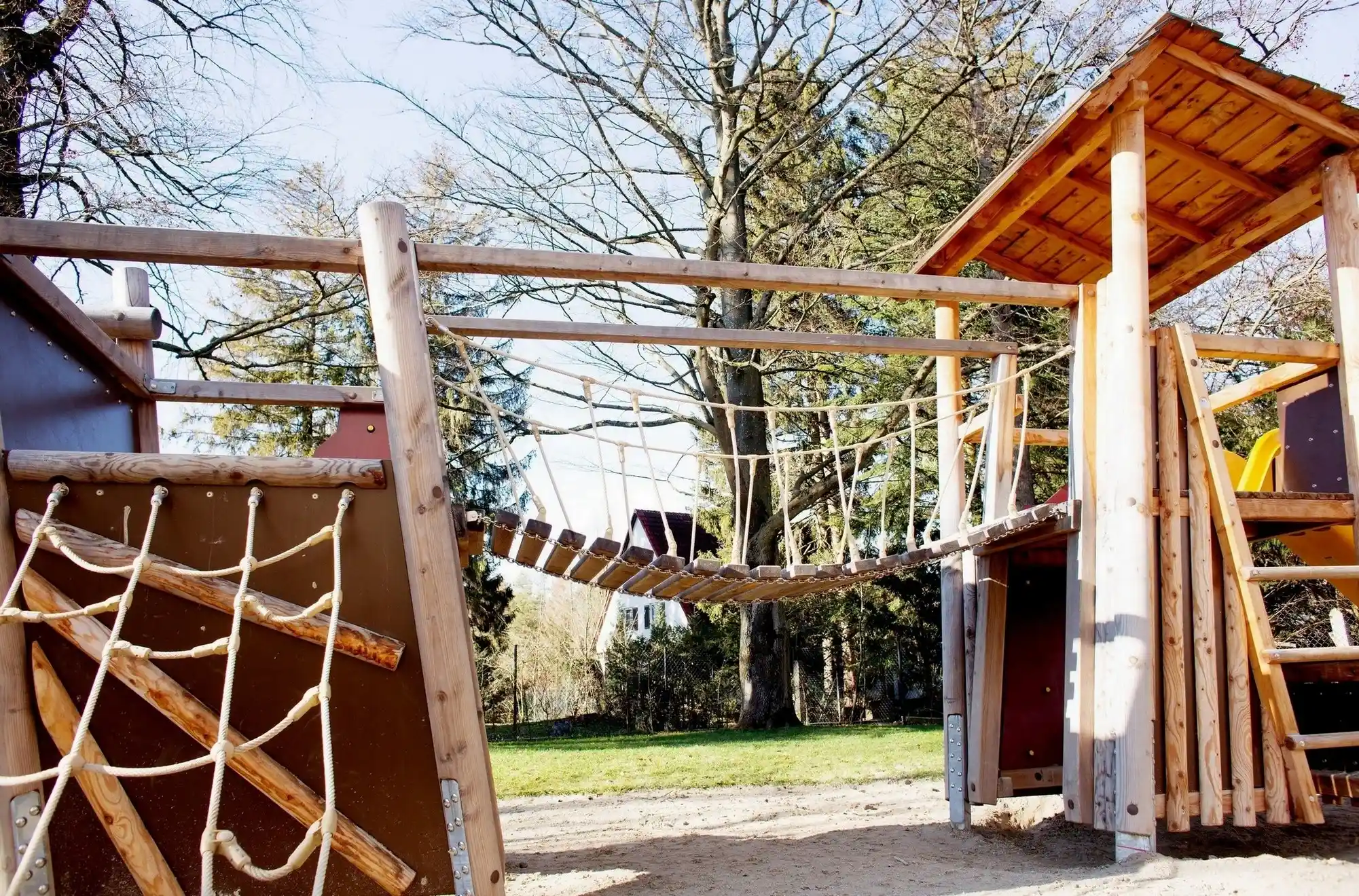
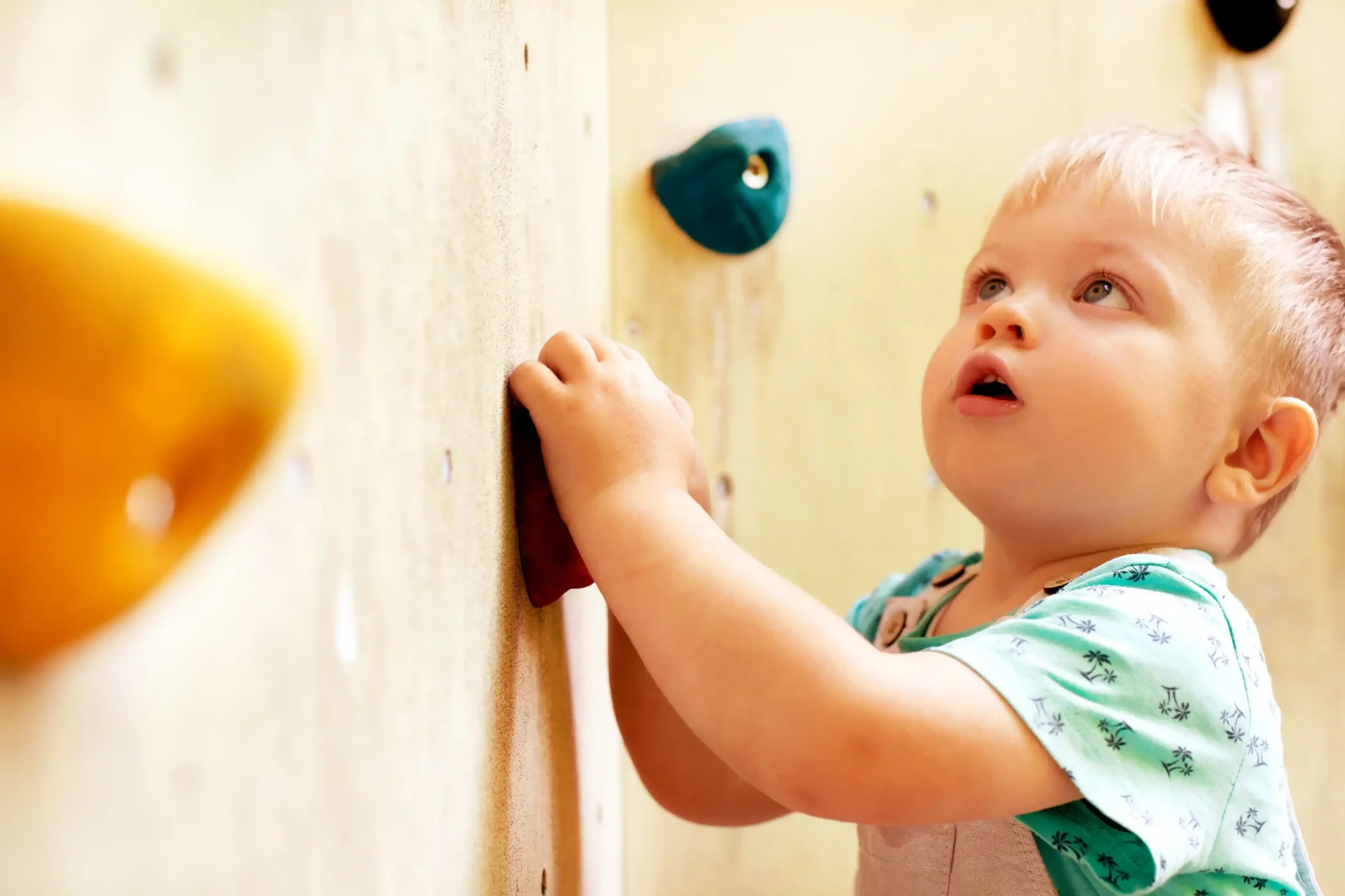
Well-developed motor skills support many activities in everyday school life. When drawing, cutting and writing, your child needs good hand-eye coordination. Physical activities also promote balance and body awareness. Fine and gross motor skills complement one another and support overall physical development.
Early mathematical skills
Children initially discover numbers and quantities through hands-on experiences. For example, they compare sizes, shapes and different quantities. Colours and spatial relationships are also part of these learning activities. Playful tasks additionally encourage concentration and perseverance.
Independence and a love of learning
Good preschool education strengthens your child’s independence. Children take on small tasks and experience the impact of their own decisions. They learn to stick with a task and look for solutions themselves. At the same time, the joy of discovery is maintained. This nurtures their curiosity about primary school and new learning experiences.
What are the benefits of preschool?
Preschool provides a safe and supportive environment for the next major step in your child’s development. Children gain experiences that make everyday school life easier later on. A good preschool combines learning, physical activity, social experiences and independent action.
Your child gains confidence when dealing with new tasks. They learn to focus on an activity for longer periods of time. Working as part of a group also becomes more important. Step by step, this helps children develop greater confidence in their own abilities.
Well-trained preschool professionals recognise each child’s individual strengths and needs. They take children’s interests into account and tailor activities to their respective stages of development. This gives children the opportunity to develop at their own pace and gain a wide range of new experiences.
High-quality preschool education also helps children develop a positive attitude towards the upcoming school years. They discover new topics and experience a sense of achievement. This builds excitement about starting primary school without putting children under pressure to perform.
Private preschool in Munich: individual support for your child
A private preschool in Munich often offers special conditions for everyday childcare. Private providers develop their own educational priorities and design their own learning programmes. This creates concepts with a clear focus and additional opportunities for families. Depending on the facility, these may include special language programmes, creative activities, physical education concepts or bilingual learning environments.
Benefits of a private preschool
Many private preschools work with smaller groups and favourable staff-to-child ratios. This allows educational professionals to monitor each child’s development more closely. It makes individual support easier and creates familiar structures. Children can find their bearings more easily and receive targeted encouragement to support their development.
Regular communication with parents is an established part of everyday life at many private facilities. Development meetings, parents’ evenings and brief updates throughout the day help parents and educators keep track of a child’s progress together and clarify any questions about starting school at an early stage.
Private providers often have their own priorities when it comes to rooms and learning materials. High-quality educational materials, well-equipped rooms and varied learning activities create a wide range of opportunities for learning. Depending on the facility, music, physical activity, nature or creative projects may also form part of the educational programme.
Educational approaches and learning activities at private preschools
A facility’s educational approach determines how children learn and develop in their everyday environment. It defines key priorities and brings together different areas of learning.
A varied programme caters to different interests and abilities. Making music together, for example, helps children develop their awareness of sounds and tones. Creative activities give them the opportunity to develop their own ideas. Nature-based experiments, on the other hand, spark curiosity and encourage children to discover connections for themselves.
Multilingualism is also part of the educational approach at many private preschools. Regular contact with additional languages naturally creates situations in which children hear and use them. The aim is not to teach content from future school lessons in advance, but to let children experience language in a playful way and without performance pressure.
Parents looking for a private preschool in Munich should therefore take a close look at the educational approaches of different facilities. The learning areas on offer, group sizes and individual support are important factors to consider when making a choice.
Language development in preschool: why it matters
Language plays a role in almost every aspect of children’s future school life. It helps them understand tasks and communicate with others. Targeted language support in preschool lays important foundations for this.
It is about more than simply learning new words. With targeted language support, children begin to understand connections and express their own thoughts clearly. They learn to listen attentively, follow conversations and take part in them.
Conversations, stories and shared activities give children many opportunities in everyday life to listen and speak for themselves. Children growing up with more than one language benefit particularly from this, as they experience different languages naturally in their everyday environment. This helps your child become increasingly confident when communicating.
In Bavaria, the Vorkurs Deutsch (preparatory German course) is also available for children who need additional support with German. It is organised jointly by the childcare centre and primary school and provides targeted support before children start school.
Support for preschool children from the City of Munich
The City of Munich offers various support programmes for families with preschool children. These include the HIPPY programme for children aged between four and seven. It helps parents prepare their children for school through playful activities. HIPPY combines parent education with early childhood support and is particularly suitable for families with a multilingual background.
Depending on the family’s circumstances, financial assistance may also be available, such as a special payment for starting school
or support from education funds.
Kindergarten and preschool fees in Munich
The cost of a daycare or preschool place varies depending on the provider, childcare hours and services included. It is therefore worth taking a close look at the fee structure of each facility.
What costs should you expect?
Municipal kindergartens follow the fee regulations set by the City of Munich. For many kindergarten children, childcare fees are waived. However, meals are charged separately.
Private facilities generally set their own parent contributions. The costs take into account the scope of childcare, meals and additional services.
Differences between public and private facilities
While municipal facilities charge standardised fees, private providers determine their own individual cost structures. In some cases, grants and subsidies can affect the actual costs.
At cocon, you will find a transparent overview of current fees and the services included.
How to find the right preschool in Munich
When choosing the right preschool, both your child’s stage of development and your family’s everyday routine play an important role. Visiting a facility in person before registering gives you the opportunity to get a better idea of its educational approach, childcare arrangements and atmosphere.
Important criteria when choosing a preschool
Pay attention to the educational approach, group size and staff-to-child ratio. Language support, learning activities and childcare hours are also important factors.
Also take a look at the facilities and daily schedule. Spaces for physical activity, creativity and focused learning provide a varied range of experiences. The location of the facility and the daily journey there should also fit in with your family’s routine.
Questions to ask during an introductory meeting
Asking specific questions will quickly give you an impression of the educational approach and everyday activities:
- How do you prepare children for starting school?
- How do you support children with different developmental needs?
- Which learning activities are part of the preschool routine?
- How do you support children’s language development?
- How large are the groups, and how many professionals look after them?
- How do you keep parents informed about their child’s development?
- How do you support the transition to primary school?
Private preschool in eastern Munich: the cocon daycare centre
The cocon daycare centre combines preschool activities with a bilingual and holistic educational concept. The individual development of each child is at the heart of our approach.
Our preschool programme at cocon covers a range of educational areas, including language, art, music, science, physical activity and social development. Children gain experience through different forms of learning and everyday situations.
We place particular emphasis on bilingual early childhood education. Native speakers accompany children throughout the day in English or French. This allows children to become familiar with the language in natural everyday situations.
Art and music have a permanent place in cocon’s educational programme. Both the Bogenhausen centre and the Waldtrudering centre have dedicated art and music professionals. They complement the groups’ daily creative activities.
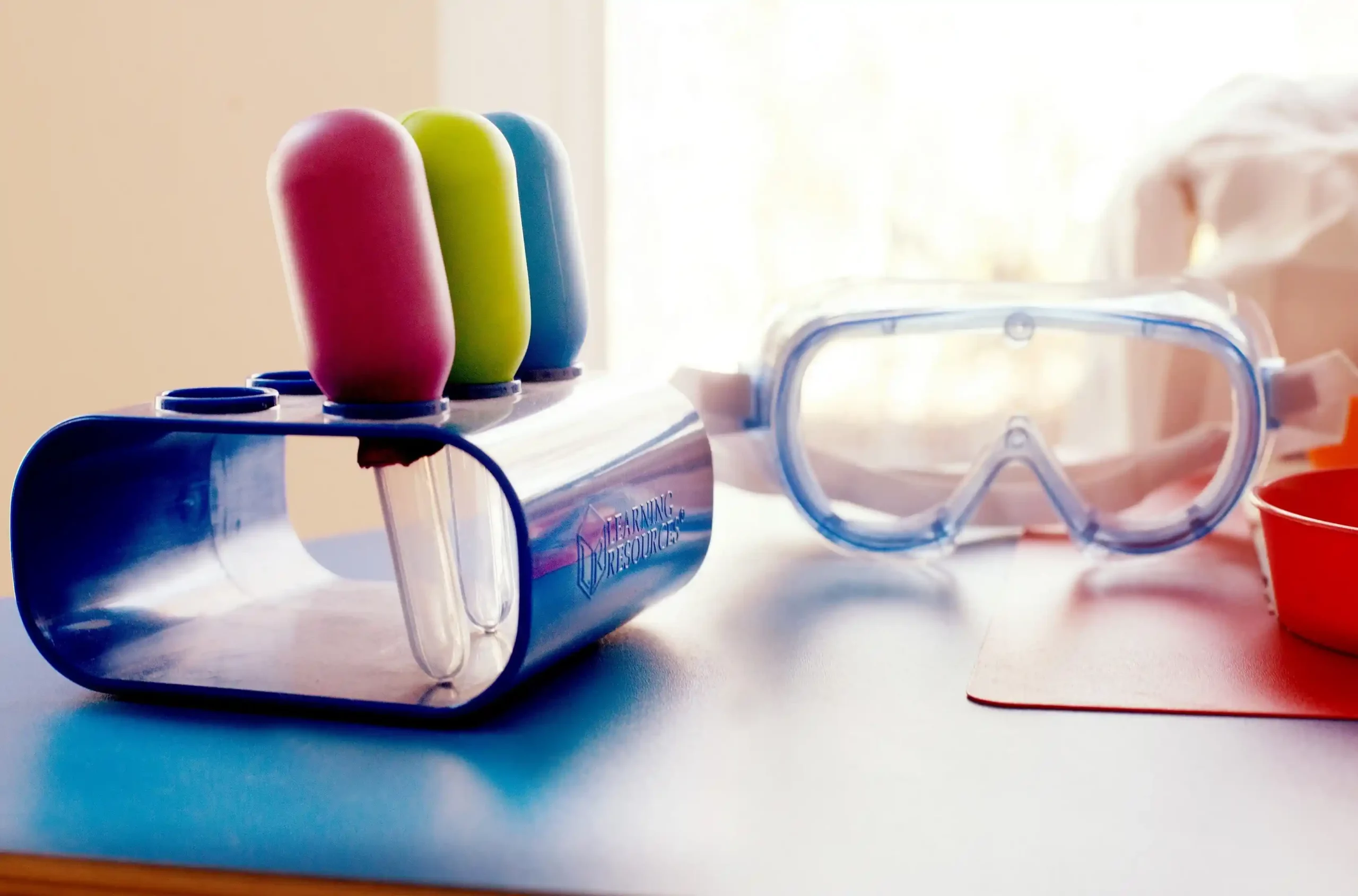
Science is also part of the preschool programme at cocon. Through experiments and observations, children explore their own questions and discover connections for themselves. Physical activity and sports complement the programme, while mindfulness and relaxation activities provide a conscious balance in the preschool day.
Our preschool programme is based on the Bavarian Education and Upbringing Plan. This plan defines important basic skills for children’s development, including independence, social skills and learning skills.
At cocon, children learn in small groups and receive plenty of individual attention. Our educational professionals know each child’s strengths and needs and provide targeted support for their development. This means children experience preschool activities as an integral part of their familiar everyday life at cocon.
Would you like to get to know cocon in person? Visit our Bogenhausen centre or our Waldtrudering centre and arrange an introductory meeting.